
• Tel./Fax: +7 (495) 789-48-11
  • E-mail: info@vetfaktor.ru vet@faktor.ru
  • 3 Kvantovaya Street, Troitsk, 108840, Russia
  • Office hours: 08:00–16:30 (Moscow time)
  • VET FAKTOR LLC
My account

Articles

08.10.2026

Methods of laboratory diagnosis of animal diseases: PCR, ELISA, RID and express tests

The PCR is looking for DNA or RNA, ELISA and RIDs are antibodies, an express test gives a response near animals, producing a living culture. The method is chosen for the purpose of confirming diagnosis, checking herds, assessing immunity after vaccination. Consider what each method reveals, which samples it needs, where the most common error is in interpretation, and which method is explicitly identified in veterinary regulations.

Read more

01.10.2026

Porcine Respiratory Diseases: How to Collect the PCR and ELISA Panel

The coughing and feeding is rarely caused by a single agent. Porcine respiratory pathology is formed by viruses and bacteria at once, so a set of tests is collected to be the age of the group and the task: to remove the outbreak or to monitor the herd. We're looking at what samples are informative for each agent, which shows PCR and ELISA separately and how we don't take the punctual antibodies for infection.

Read more
24.09.2026

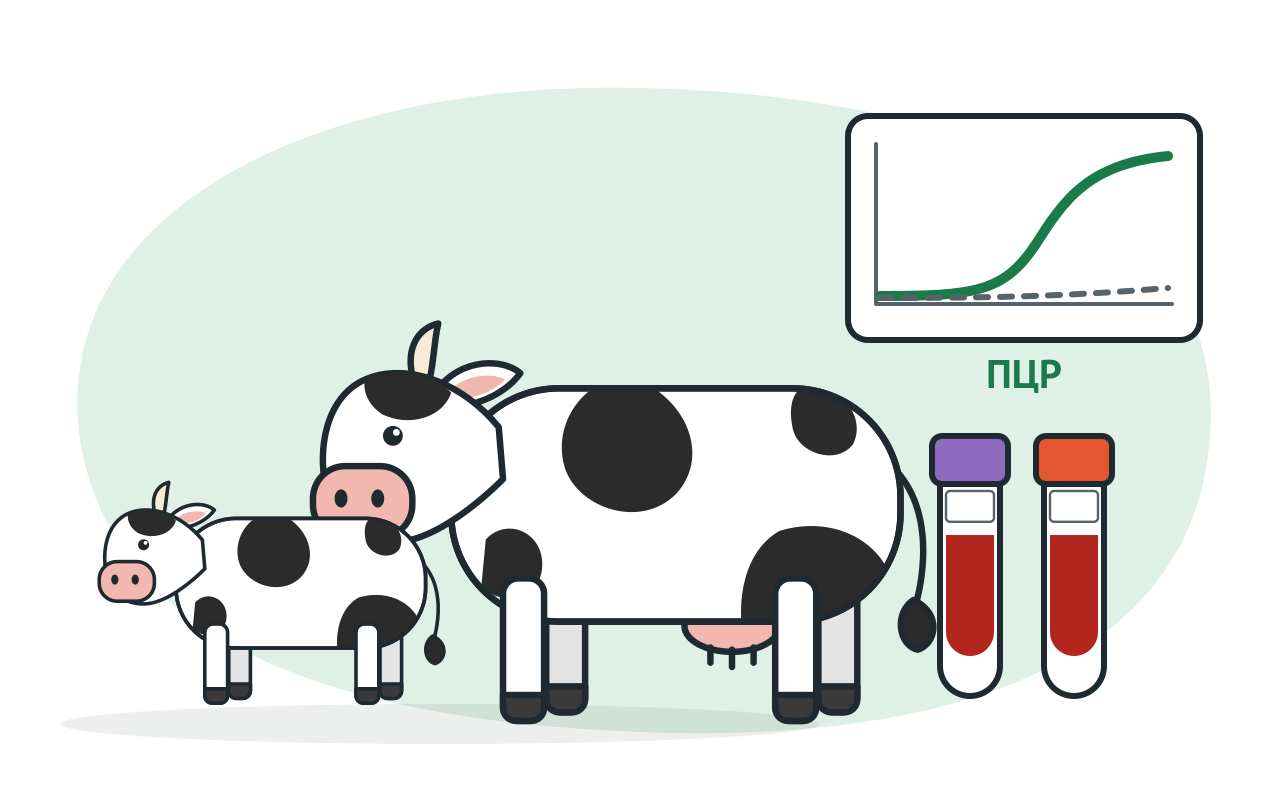
CRS Leukosis: Which method (RID, ELISA or PCR) requires veterinary rules for each animal group

The Veterinary Regulation on Leukemia of the CDC sets out a method for research into the age of an animal. The calves range from 15 days to 6 months are examined by the PCR method, and livestock over 6 months are examined serologically, in RIDs or IFAs. Hematological research is done to a positive animal. The following is a discussion of why veal serology is misleading, what blood to take for each method, what timing cannot be broken and how to read the result.

Read more
21.09.2026

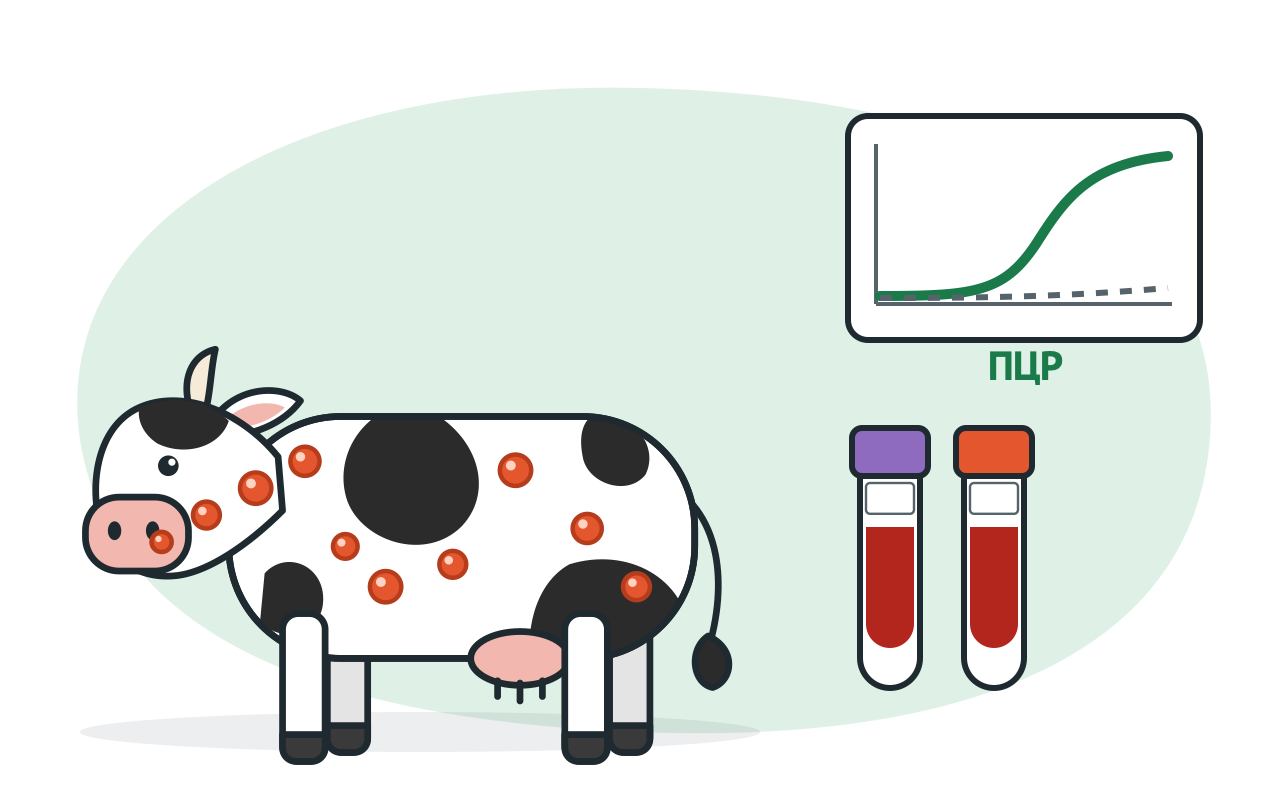
Lumpy skin disease in cattle: signs, diagnosis and PCR after vaccination

Lumpy skin disease affects cattle. Owners must report any suspicion to the state veterinary service within 24 hours. Skin nodules suggest the diagnosis, but laboratory confirmation is required: under the rules, the pathogen itself or its DNA must be detected. This article explains which samples to collect, how PCR differs from ELISA, and how to interpret a positive PCR result in a vaccinated animal.

Read more

Request instructions

We will send the instructions to your email address.

Catalogue no.:

Contact details

For information about data processing, see our privacy policy.