
Product information
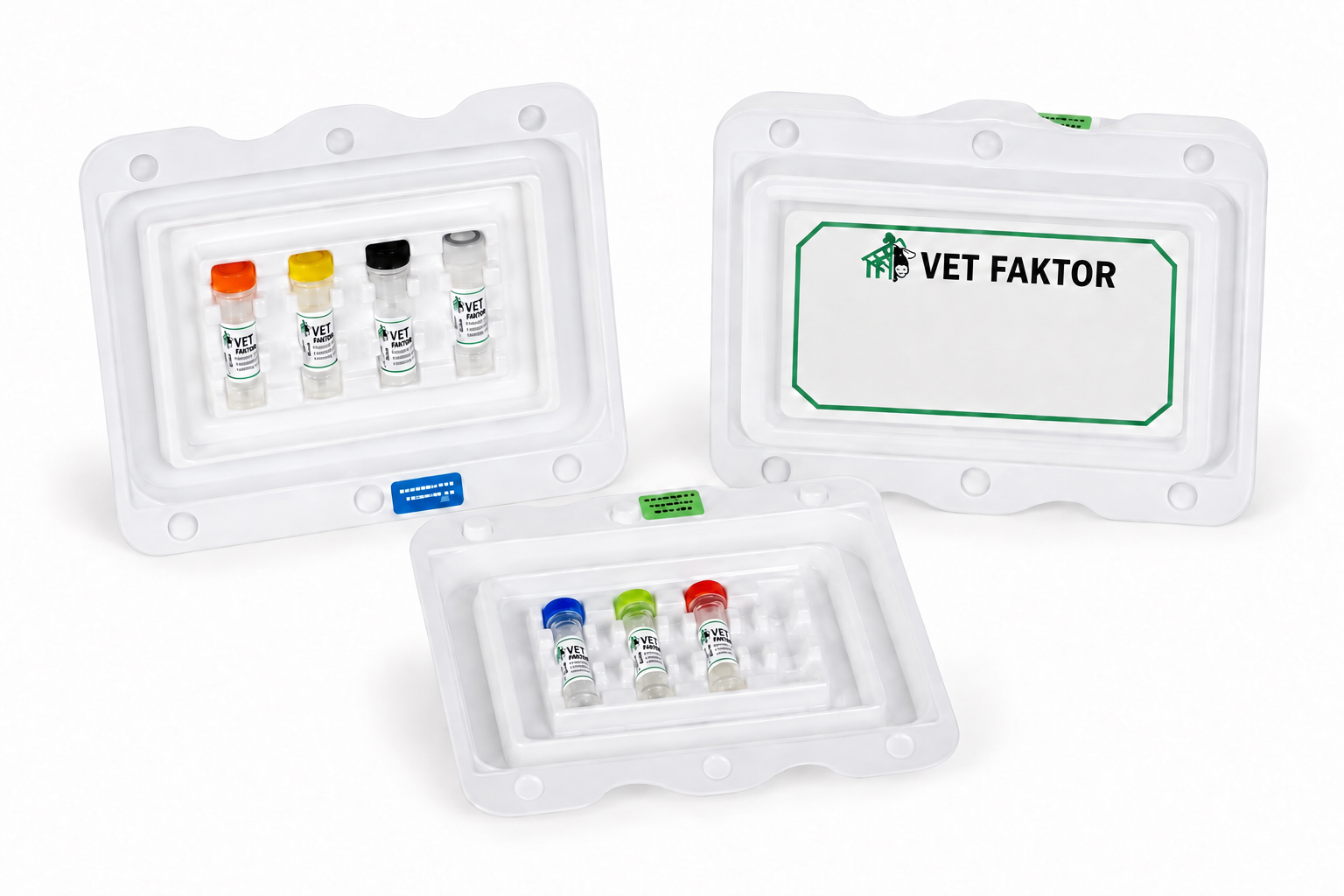
55 reactions / 110 reactions, controls included (internal, positive and negative).
A nucleic acid extraction kit is required (for example, DNA/RNA-S-FAKTOR).
Home / Products / PCR / Animal diseases / Aquaculture
Add the necessary goods to the KP request, specify the quantity and contacts. The specialist will clarify the conditions of delivery.
Leave a comment on the request or order a return call.
Phone: +7 (495) 789-48-11B. Mail: vet@faktor.ru. Office hours: weekdays, 08:00–16:30.
Pathogen: the parasitic protozoan Marteilia refringens (Paramyxea)
In the late 1960s mass mortality of the European flat oyster began in Brittany (France). The first outbreaks were recorded in the Aber Wrac’h estuary, hence the disease’s other name, Aber disease. In 1974 French researchers described its agent, Marteilia refringens, a parasite of the digestive gland. Together with bonamiosis, marteiliosis sharply reduced flat oyster farming in France. The parasite was later found in mussels as well, and its life cycle appears to involve copepods.
The main host is the European flat oyster Ostrea edulis; other Ostrea oysters are also susceptible, as are mussels, which usually suffer less. The parasite develops in the digestive system and forms spores in the tubules of the digestive gland: the oyster becomes emaciated, the gland turns pale, and the animal usually dies in the second year after infection. The parasite is not transmitted directly from oyster to oyster. Sporulation and transmission begin at water temperatures above 17 °C, and oyster mortality in summer and autumn is usually 50–90 %. Marteiliosis poses no threat to people.
Emaciated, gaping and dead molluscs with a pale digestive gland raise suspicion, but these signs are not specific. The agent is looked for under the microscope in digestive gland imprints and in histological sections; histology is regarded as the reference method. PCR detects Marteilia DNA in mollusc tissues and in water samples; a positive result together with histology or imprint findings confirms the diagnosis, and the parasite type is identified by sequencing.
For reference only. The diagnosis is made by a veterinary specialist based on laboratory test results.
© 2015–2026 VET FAKTOR LLC. All rights reserved.